profile image

John Winnicki

Ph.D. Candidate, Computational & Mathematical Engineering @Stanford University (ICME)

Mechanistic InterpretabilityAI for ScienceUnsupervised Learning

I’m a Ph.D. candidate in Computational and Mathematical Engineering (ICME) at Stanford. I work at the intersection of mechanistic interpretability and AI for science, with a focus on unsupervised methods for scientific data.

A lot of the problems I care about show up in scientific settings where data are high-dimensional, noisy, and arrive as a stream. Particle physics detectors and accelerator facilities are good examples. I try to build methods that scale on HPC, stay reliable when the data distribution drifts, and are genuinely usable by scientists and operators in the loop.

Current directions

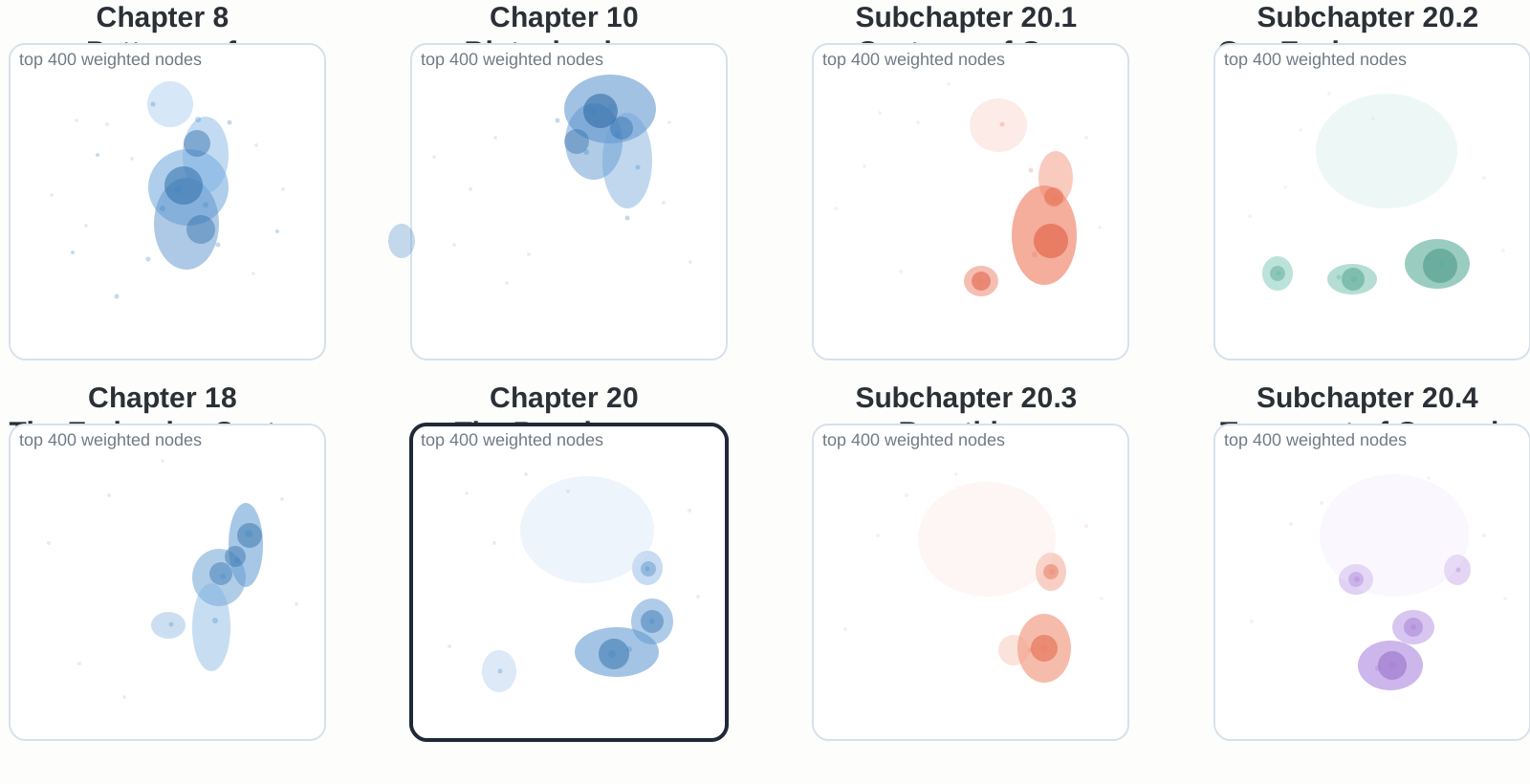
  • Mechanistic interpretability: I look for low-rank and block structure in learned representations in order to uncover multi-scale groupings of features and their interactions. Exposing this structure helps clarify how representations are organized internally, while also enabling more efficient and stable training.
  • AI for science: I build modeling and representation-learning tools that fit real experimental pipelines, including probabilistic ideas that help with robustness and uncertainty in messy scientific data.
  • Anomaly detection: I work on continual-learning anomaly and outlier detection for large-scale physics data, including collaborations with LUX-ZEPLIN and SLAC, with an emphasis on surfacing high-confidence issues while staying stable under drift.
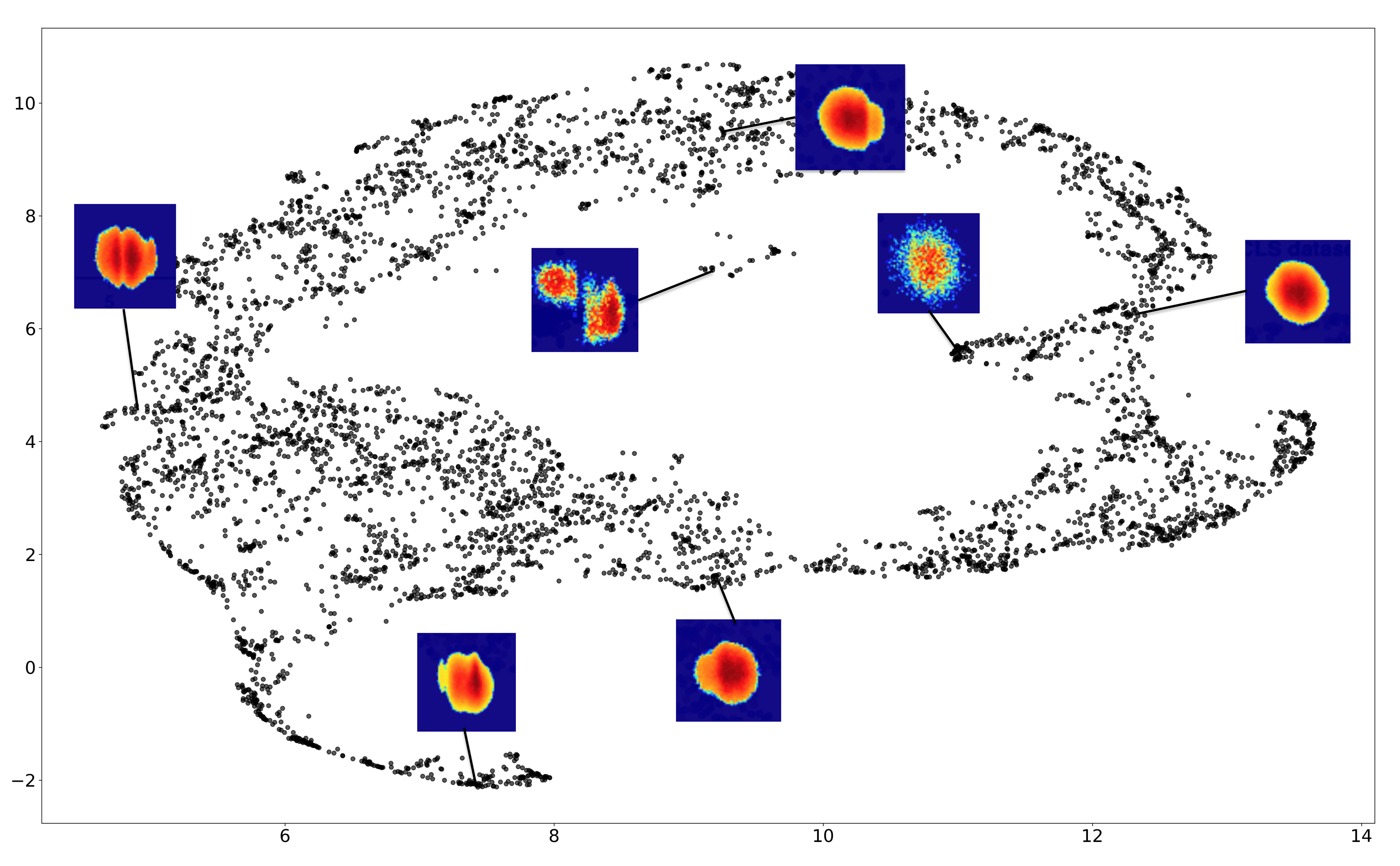
  • Unsupervised ML and streaming algorithms: I develop streaming linear algebra and rank-adaptive matrix sketching methods for online analysis, especially for imaging-style datasets, along with practical tooling for monitoring structure and drift over time.
Publications

View all
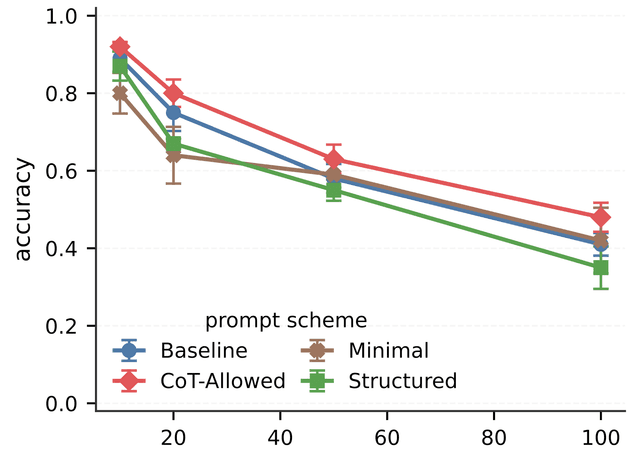
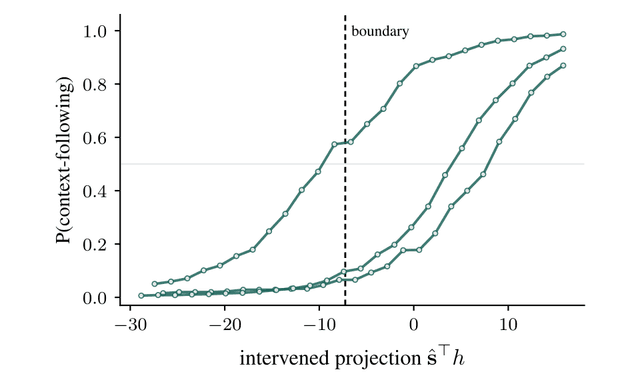
  1. Evaluating LLM Calibration on Confidence Intervals with FermiEval

    Evaluating LLM Calibration on Confidence Intervals with FermiEval

    Elliot L Epstein, John Winnicki, Thanawat Sornwanee, Rajat Vadiraj Dwaraknath

    Second Workshop on XAI4Science: From Understanding Model Behavior to Discovering New Scientific KnowledgeBest Paper AwardBest Paper Award
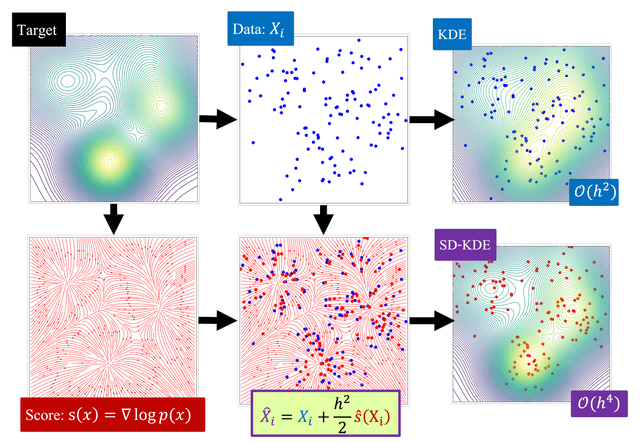
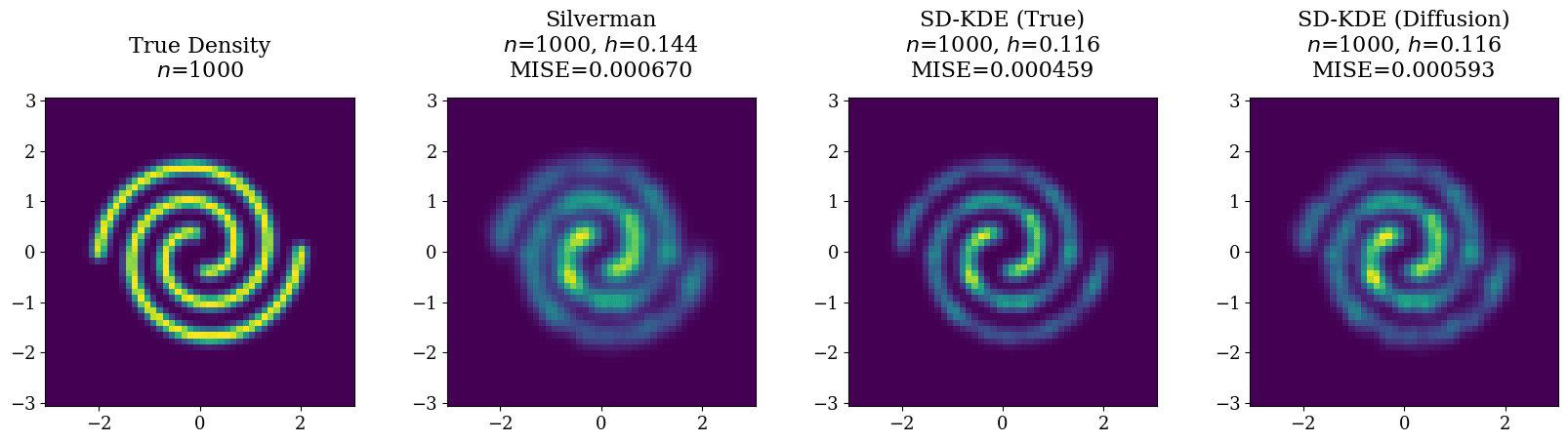
  2. Score-Debiased Kernel Density Estimation

    Score-Debiased Kernel Density Estimation

    Elliot L Epstein, Rajat Dwaraknath, Thanawat Sornwanee, John Winnicki, Jerry Weihong Liu

    Proceedings of the 39th Conference on Neural Information Processing Systems (NeurIPS)2025Equal contribution (all authors)
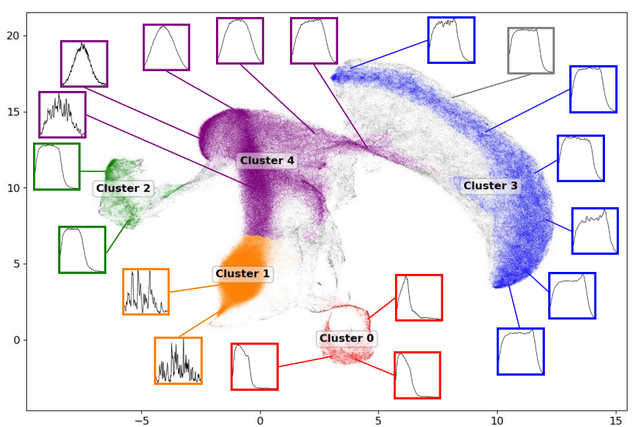
  3. Unsupervised Learning Techniques for Identification of Anomalous LZ Waveform Data

    Unsupervised Learning Techniques for Identification of Anomalous LZ Waveform Data

    John Winnicki, Maris Arthurs, Tyler Anderson, Finn H O'Shea, Maria Elena Monzani, Eric Darve

    EPJ Web of Conferences2025
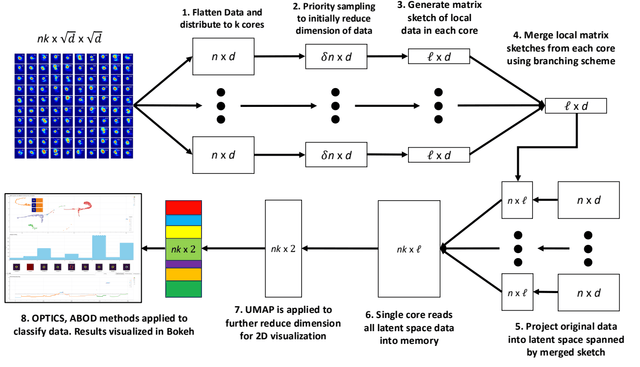
  4. Matrix Sketching for Online Analysis of LCLS Imaging Datasets

    Matrix Sketching for Online Analysis of LCLS Imaging Datasets

    John Winnicki, Frederic Poitevin, Haoyuan Li, Eric Darve

    SC24-W: Workshops of the International Conference for High Performance Computing, Networking, Storage and Analysis2024
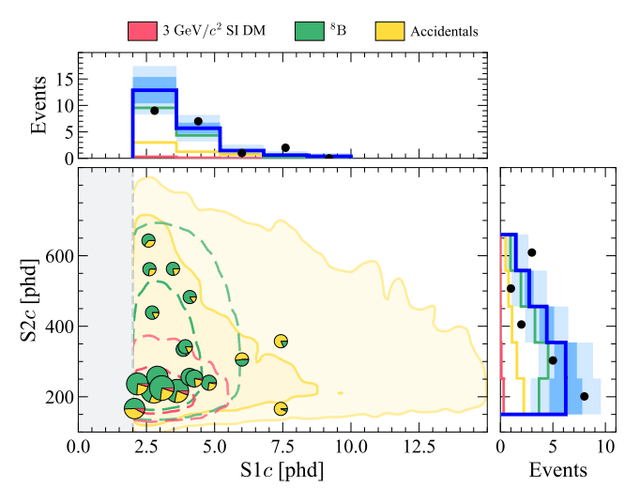
  5. Searches for Light Dark Matter and Evidence of Coherent Elastic Neutrino-Nucleus Scattering of Solar Neutrinos with the LUX-ZEPLIN (LZ) Experiment

    Searches for Light Dark Matter and Evidence of Coherent Elastic Neutrino-Nucleus Scattering of Solar Neutrinos with the LUX-ZEPLIN (LZ) Experiment

    DS Akerib, AK Al Musalhi, F Alder, BJ Almquist, CS Amarasinghe, A Ames, TJ Anderson, N Angelides, HM Araujo, JE Armstrong, others

    arXiv preprint arXiv:2512.080652025
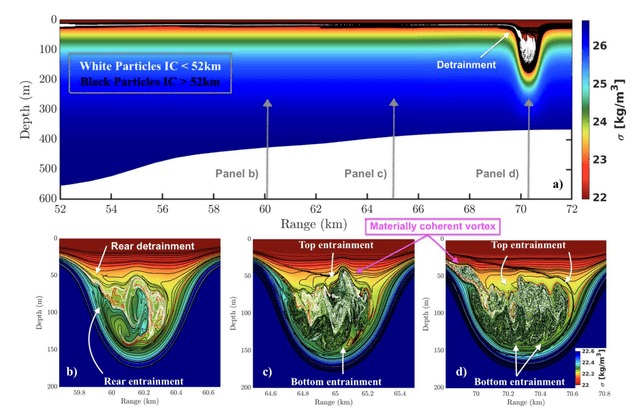
  6. Eulerian and Lagrangian characterization of a high-amplitude convectively unstable shoaling internal solitary wave in two dimensions.

    Eulerian and Lagrangian characterization of a high-amplitude convectively unstable shoaling internal solitary wave in two dimensions.

    Tilemachos Bolioudakis, Greg N Thomsen, Peter J Diamessis, Ren-Chieh Lien, Kevin G Lamb, John Winnicki, Gustaaf Jacobs

    Research Square preprint, Version 1 (14 November 2025)2025
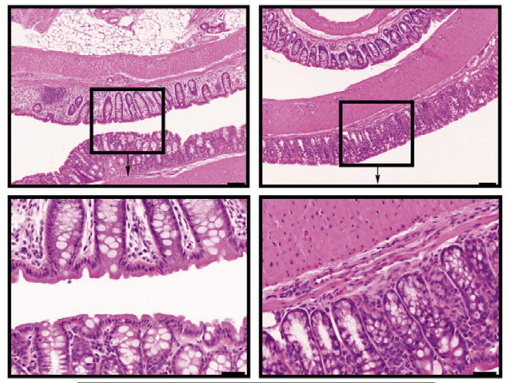
  7. GNAI1 and GNAI3 reduce colitis-associated tumorigenesis in mice by blocking IL6 signaling and down-regulating expression of GNAI2

    GNAI1 and GNAI3 reduce colitis-associated tumorigenesis in mice by blocking IL6 signaling and down-regulating expression of GNAI2

    Zhi-Wei Li, Beicheng Sun, Ting Gong, Sheng Guo, Jianhua Zhang, Junlong Wang, Atsushi Sugawara, Meisheng Jiang, Junjun Yan, Alex Gurary, ra, others

    Gastroenterology2019

Teaching

MATLAB logo

CME 192: MATLAB for Scientific Computing and Engineering

Course instructor · Winter quarter · Stanford ICME

An ICME course focused on applied MATLAB workflows for scientific computing and engineering, emphasizing real‑world datasets and toolbox‑driven analysis.

Topics include:

  • Advanced plotting and 2D/3D visualization, including interactive plotting
  • Numerical linear algebra; ODEs/PDEs; symbolic math
  • Big data and databases; Python/C++ interfaces and workflows
  • Statistics and machine learning; optimization and simulation/modeling
  • Image processing and signal processing; parallel processing

Latest Writing

View all

Projects

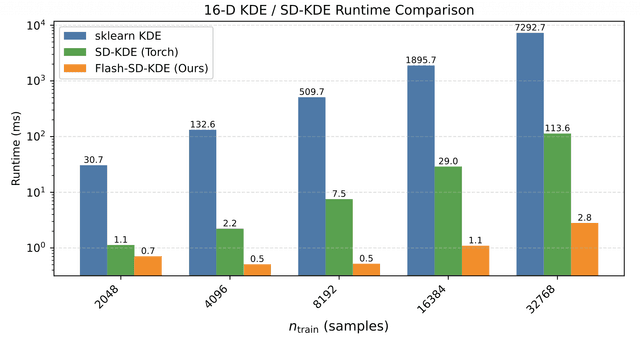
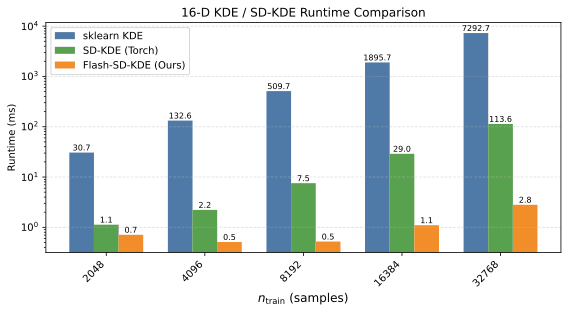
Flash-SD-KDE on Tensor Cores

Reorders SD-KDE to expose GEMMs and accelerate density estimation on GPUs.

February 03, 2026

project image

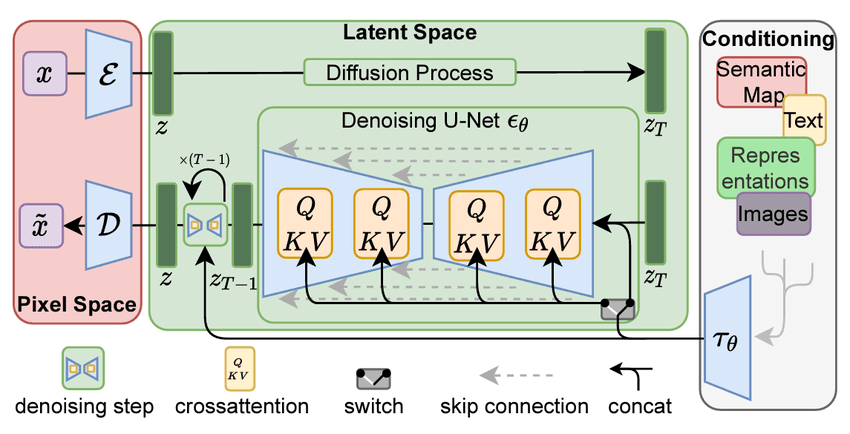
Latent Diffusion Priors for Inverse Problems

Latent diffusion models as Bayesian priors for inverse heat conduction; BBVI vs Metropolis MCMC.

February 03, 2026

project image

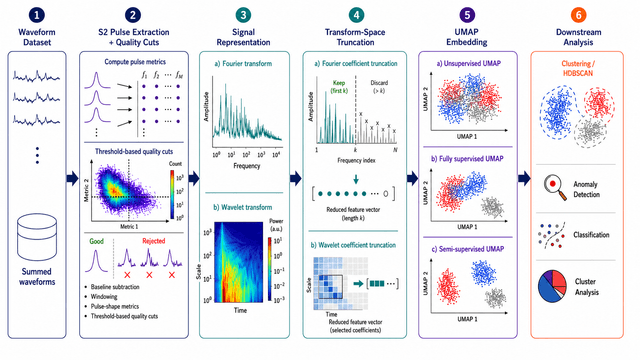
Unsupervised LZ Waveform Anomaly Detection

Fourier subsampling -> UMAP -> HDBSCAN to cluster LZ S2 waveforms and isolate anomalous populations.

February 03, 2026

project image

Matrix Sketching for Online LCLS Monitoring

Rank-adaptive matrix sketching plus PCA -> UMAP -> OPTICS for streaming LCLS imaging data.

February 03, 2026

project image

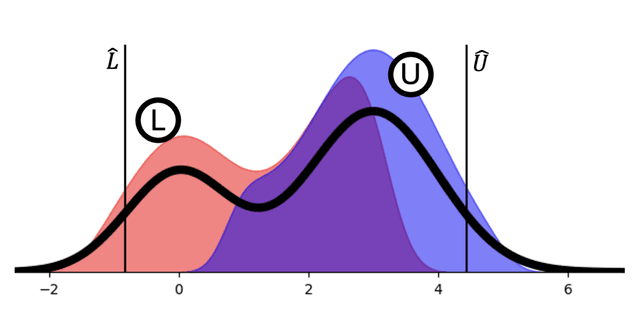
Score-Debiased Kernel Density Estimation

Shift-then-smooth KDE that uses score estimates to remove the leading-order bias term.

February 03, 2026

project image